Comprehensive Guide to Phased Array Ultrasonic Testing Services
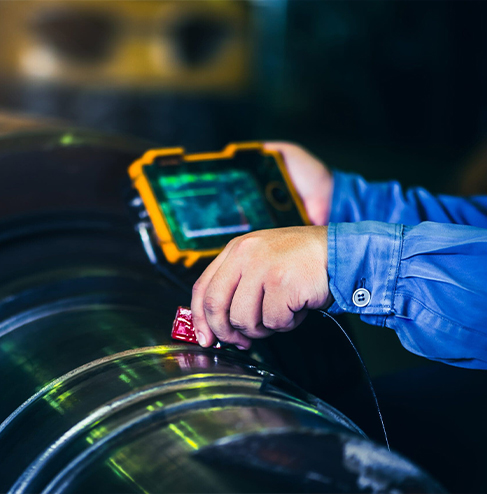
Phased Array Ultrasonic Testing (PAUT) represents a cutting-edge method used in non-destructive testing (NDT) to detect flaws within materials, particularly metallic structures. This advanced ultrasonic technique employs a multi-element array of transducers to generate beams that can be electronically steered, focused, and scanned. As a result, PAUT is capable of inspecting complex geometries with high precision and speed, making it a preferred choice across industries such as aerospace, power generation, and oil and gas. For those seeking to maximize safety and efficiency in their operations, understanding the intricacies and benefits of PAUT is essential.
What is Phased Array Ultrasonic Testing?
Phased Array Ultrasonic Testing is a sophisticated NDT method that utilizes multiple small ultrasonic elements and electronic time delays to create beams by constructive and destructive interference. This allows for:
- Precise control over beam angles and focal points.
- Real-time imaging and data analysis.
- Enhanced detection of flaws and defects in materials.
By employing PAUT, inspectors can perform detailed and accurate assessments of materials, which is particularly useful for inspecting welds, complex geometries, and components with critical safety requirements. Discover expert strategies here.
Key Advantages of PAUT
The advantages of utilizing Phased Array Ultrasonic Testing are numerous, making it a preferred choice for many industries:
- Flexibility and Versatility: Capable of inspecting a wide range of material types and geometries, including those that are difficult to inspect with traditional methods.
- High Speed and Efficiency: Allows for rapid scanning without compromising on accuracy.
- Enhanced Safety: Non-contact and non-invasive, ensuring safety for both the inspectors and the materials being tested.
- Detailed Imaging: Provides real-time visual feedback, facilitating immediate analysis and decision-making.
For industries seeking reliable inspection methods, PAUT offers significant benefits. Learn about our tailored solutions.
Applications of PAUT in Various Industries
Phased Array Ultrasonic Testing is employed across multiple sectors due to its adaptability and precision:
Aerospace
In the aerospace industry, PAUT is vital for ensuring the integrity of critical components such as turbine blades, fuselage sections, and landing gears. The ability to detect minute defects and fatigue cracks is crucial for maintaining safety standards.
Power Generation
PAUT is extensively used in the power generation sector to inspect turbines, boilers, and pressure vessels. The method’s accuracy ensures that any potential issues are identified and addressed before they can lead to failures. Explore advanced guides and tips.
Oil and Gas
The oil and gas industry relies on PAUT for inspecting pipelines, storage tanks, and offshore structures. Its ability to provide detailed imaging of welds and joints helps in preventing leaks and ensuring operational safety.
Implementing PAUT in Inspection Programs
For companies looking to integrate PAUT into their inspection protocols, several factors should be considered:
- Equipment Selection: Choose the appropriate PAUT equipment based on the specific requirements of the inspection task.
- Training and Certification: Ensure that technicians are adequately trained and certified to operate PAUT equipment and interpret data accurately.
- Procedure Development: Develop detailed inspection procedures tailored to the specific materials and configurations being tested.
By aligning these elements, organizations can effectively leverage the capabilities of PAUT to enhance their inspection programs. Find out more about this approach.
Conclusion
Phased Array Ultrasonic Testing is revolutionizing the field of non-destructive testing by offering precise, efficient, and versatile solutions for material inspection. Its applications across various industries underscore its importance in maintaining safety and operational efficiency. By understanding and implementing this advanced technique, industries can achieve higher levels of integrity and reliability in their operations.
