Understanding Mamas Microbiome for Better Pregnancy Health
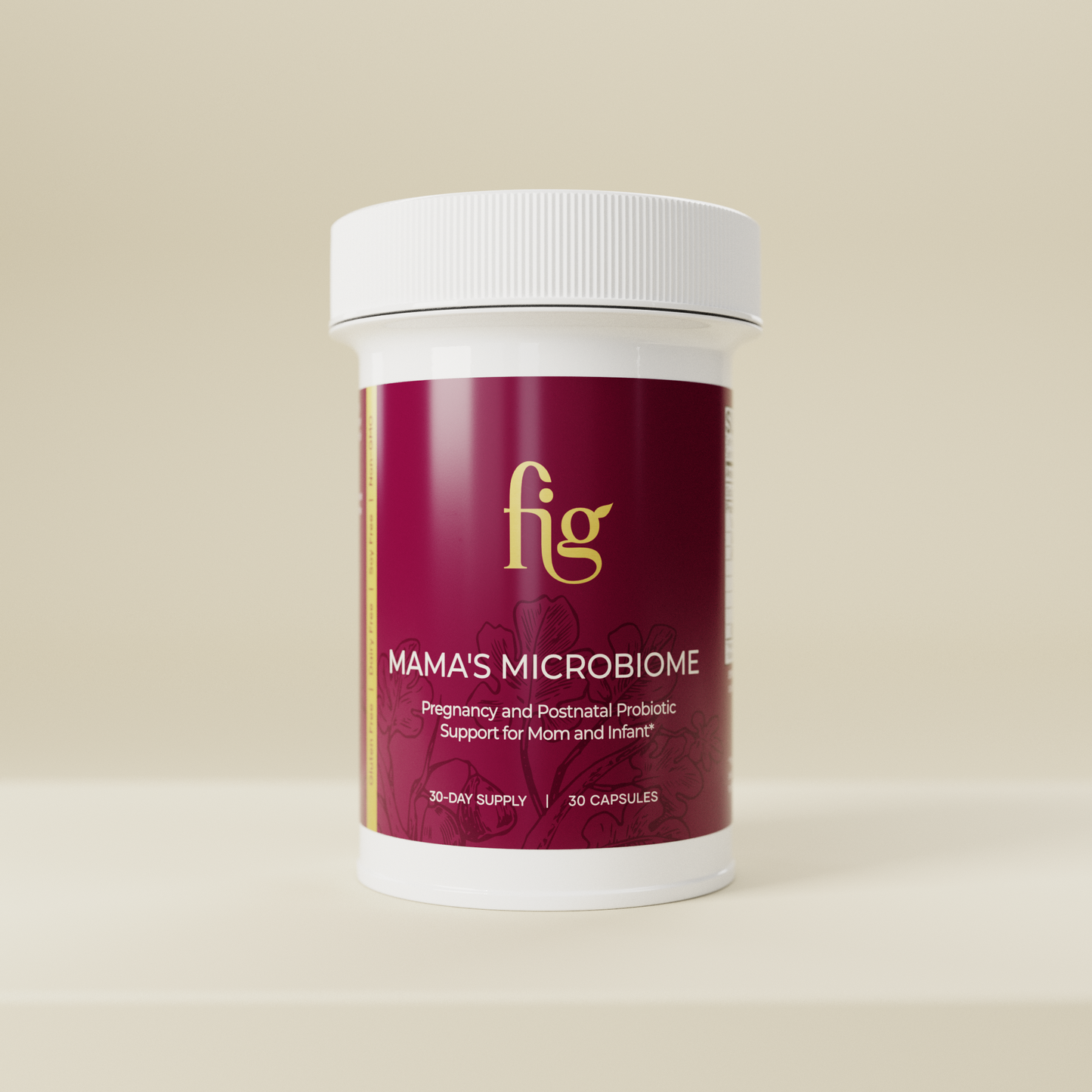
During pregnancy, maintaining optimal health is crucial for both the mother and the developing baby. The concept of the microbiome has gained significant attention in recent years, particularly in relation to pregnancy. By understanding and supporting the microbiome, expectant mothers can potentially enhance pregnancy outcomes and promote a healthier environment for their baby. This article delves into the importance of the microbiome during pregnancy and how it can be nurtured for better health.
The Role of the Microbiome in Pregnancy
The microbiome consists of trillions of microorganisms, including bacteria, viruses, and fungi, that reside in and on the human body. These microorganisms play a critical role in numerous bodily functions, including digestion, immunity, and even mental health. During pregnancy, the microbiome undergoes significant changes, and its role becomes even more pronounced.
Key Functions of the Microbiome
- Immune System Support: The microbiome helps in the development and function of the immune system, which is vital during pregnancy when the immune system is naturally suppressed to prevent rejection of the fetus.
- Nutrient Absorption: A healthy microbiome enhances the absorption of essential nutrients, ensuring that both the mother and the baby receive adequate nutrition.
- Hormonal Balance: The microbiome can influence hormone levels, which are crucial for maintaining a healthy pregnancy.
For more insights on harnessing the power of the microbiome, consider exploring Mama”?s Microbiome, a resource designed to support maternal health.
Factors Affecting the Microbiome During Pregnancy
Numerous factors can influence the composition and health of the microbiome during pregnancy. Understanding these can help in making informed lifestyle and dietary choices.
Diet and Nutrition
- Fiber-Rich Foods: Consuming foods rich in fiber, such as fruits, vegetables, and whole grains, can promote a healthy microbiome by feeding beneficial bacteria.
- Probiotics and Fermented Foods: Foods like yogurt, kefir, and sauerkraut can introduce beneficial bacteria into the gut, supporting microbiome health.
- Avoidance of Processed Foods: Processed foods often contain additives and low fiber, which can negatively impact the microbiome.
Lifestyle Factors
- Stress Management: Chronic stress can alter the microbiome, so incorporating stress-reducing practices like yoga or meditation can be beneficial.
- Physical Activity: Regular exercise is associated with a diverse and healthy microbiome.
- Avoidance of Unnecessary Antibiotics: Antibiotics can disrupt the balance of the microbiome, so their use should be carefully considered during pregnancy.
Benefits of a Healthy Microbiome for Pregnant Women
A balanced microbiome can contribute to a smoother pregnancy and may reduce the risk of certain complications.
Potential Benefits
- Reduced Risk of Gestational Diabetes: A healthy microbiome may help in regulating blood sugar levels, lowering the risk of gestational diabetes.
- Lower Incidence of Preeclampsia: Studies suggest that a balanced microbiome can reduce inflammation, potentially decreasing the risk of preeclampsia.
- Improved Mental Health: The gut-brain connection indicates that a healthy microbiome might contribute to better mental health during pregnancy.
For those looking to optimize their microbiome health, Mama”?s Microbiome offers insights and solutions tailored to maternal needs.
Conclusion
Understanding the significance of the microbiome during pregnancy is essential for expectant mothers aiming to foster a healthy environment for their developing baby. By focusing on a balanced diet, managing stress, and engaging in regular physical activity, the health of the microbiome can be supported. Embracing these practices not only benefits the mother but also lays a strong foundation for the baby’s health. For further exploration into microbiome health, resources like Mama”?s Microbiome provide valuable guidance and support.
