Expert Concrete Waterproofing Solutions: Protect Your Surfaces
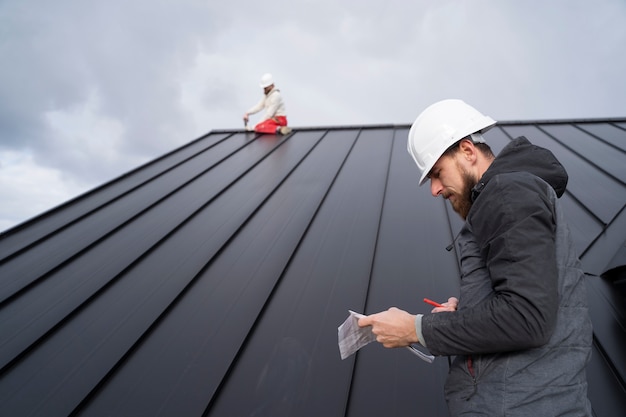
Concrete surfaces are an essential component of modern infrastructure, offering durability and strength. However, exposure to water and moisture can compromise their integrity, leading to cracks, leaks, and long-term damage. Effective concrete waterproofing is crucial to maintaining structural soundness and longevity. This article explores expert concrete waterproofing solutions designed to protect and preserve concrete surfaces, ensuring they remain resilient against the elements.
Understanding the Importance of Waterproofing
Waterproofing concrete is not merely a preventive measure; it is essential for maintaining the structural integrity of buildings, bridges, and other infrastructure. Water infiltration can lead to significant issues such as:
- Cracking and spalling of concrete surfaces
- Corrosion of reinforcing steel within the concrete
- Increased maintenance and repair costs
- Reduced lifespan of the structure
To effectively combat these problems, it is vital to employ expert waterproofing techniques. Discover expert strategies here.
Types of Concrete Waterproofing Solutions
1. Cementitious Waterproofing
Cementitious waterproofing is one of the most common methods used for concrete surfaces. This solution is favored for its simplicity and cost-effectiveness. It involves applying a cement-based coating that creates a barrier against water penetration. This method is ideal for areas that are not exposed to extreme weather conditions.
2. Liquid Waterproofing Membrane
Liquid waterproofing membranes are versatile solutions that provide excellent protection. They are applied as a liquid layer that forms a seamless and flexible membrane over the surface. This method is particularly useful for surfaces with complex geometries where traditional methods may be challenging to apply. Learn about our tailored solutions.
3. Bituminous Coating
Bituminous coatings are another effective waterproofing method. These coatings are made from bitumen and offer a high level of water resistance. They are suitable for both above and below-ground structures, providing a robust protective layer that prevents water ingress.
4. Crystalline Waterproofing
Crystalline waterproofing involves the use of crystalline compounds that penetrate the concrete surface and react with moisture to form crystals. These crystals fill the pores and capillaries within the concrete, effectively blocking water pathways. This method not only provides waterproofing but also enhances the strength of the concrete. Explore advanced guides and tips.
Choosing the Right Waterproofing Solution
Selecting the most suitable waterproofing solution depends on several factors, including the specific application, environmental conditions, and the desired longevity of protection. Considerations include:
- The location and climate of the structure
- The type of concrete and its existing condition
- Budget constraints and cost-effectiveness
- Ease of application and maintenance requirements
Consulting with industry experts can help in determining the most effective approach for any specific situation. Find out more about this approach.
Conclusion
Investing in expert concrete waterproofing solutions is vital for protecting and extending the life of concrete structures. By understanding the importance of waterproofing and the various methods available, property owners and managers can ensure their structures remain durable and protected against water damage. For more detailed information and professional guidance, consider exploring specialized resources and services. Discover expert strategies here.
