Asphalt Driveway Installation and Repair: What Homeowners Should Know
When it comes to curb appeal, durability, and cost-effectiveness, an asphalt driveway often tops the list for homeowners. Yet many property owners are unsure about the nuances of installation, the signs that a repair is needed, and how to maintain the surface for years to come. This guide breaks down the essential information you need to make informed decisions about asphalt driveway installation and repair, helping you protect your investment while keeping your home looking its best.
Why Choose Asphalt for Your Driveway?
- Cost-Effective: Asphalt generally costs less per square foot than concrete or pavers.
- Quick Installation: A typical residential driveway can be installed in just a few days.
- Longevity: With proper maintenance, an asphalt driveway can last 15-20 years or more.
- Recyclable: At the end of its life, asphalt can be reclaimed and reused, reducing environmental impact.
Key Steps in Asphalt Driveway Installation
1. Site Preparation
Proper preparation is the foundation of a durable driveway. This includes removing existing pavement, grading the sub-base, and ensuring adequate drainage.
2. Base Layer Placement
A compacted gravel base provides stability and helps prevent cracks caused by shifting soils. The thickness typically ranges from 4-6 inches depending on soil conditions.
3. Asphalt Laying
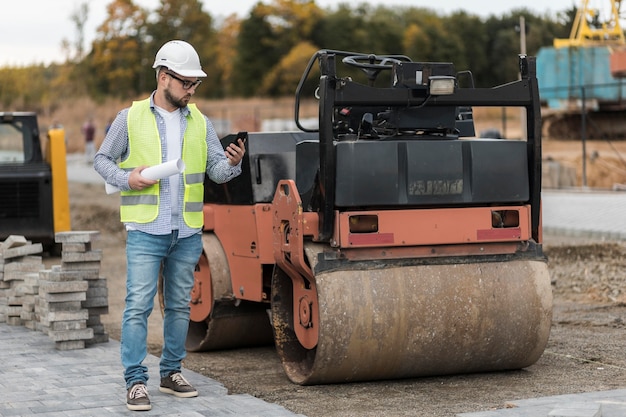
The hot mix asphalt is spread evenly using a paver and then compacted with a roller. Temperature and timing are critical to achieve a smooth, dense surface.
4. Finishing Touches
After the asphalt cools, a sealant is often applied to protect against UV rays, oil spills, and water infiltration.
For a more detailed walkthrough of each phase, Discover expert strategies here.
Common Signs That Your Asphalt Driveway Needs Repair
- Cracks or potholes forming after heavy rain or freeze-thaw cycles.
- Surface water pooling rather than draining away.
- Rough, uneven patches that make driving uncomfortable.
- Fading or loss of the sealant’s protective sheen.
Repair Options and When to Use Them
Crack Sealing
Small hairline cracks can be filled with a rubberized sealant to prevent water intrusion.
Pothole Patching
For larger depressions, a cold patch mix can be applied as a temporary fix, while a hot mix patch provides a permanent solution.
Overlay or Mill-and-Overlay
If the surface is extensively worn, an overlay adds a new layer of asphalt, while mill-and-overlay removes the top layer before applying fresh material.
To explore tailored repair solutions, Learn about our tailored solutions.
Maintenance Practices That Extend Lifespan
- Regular Sealing: Re-seal every 2-3 years to protect against oxidation.
- Prompt Crack Repair: Address cracks early to avoid water damage.
- Clean Spills Immediately: Oil and chemicals can degrade the surface.
- Snow Removal: Use a plastic shovel; avoid metal tools that can gouge the asphalt.
Choosing the Right Contractor
When selecting a professional for installation or repair, consider the following criteria:
- Licensing and insurance documentation.
- Years of experience specifically with residential driveways.
- Transparent pricing and clear project timelines.
- Positive customer feedback and a portfolio of completed work.
For an in-depth guide on evaluating service providers, Explore advanced guides and tips.
What Homeowners Are Saying
Real-world experiences can provide valuable insight. Check out customer reviews here to see how other homeowners rate their asphalt projects, from initial installation to long-term performance.
Conclusion
Investing in an asphalt driveway offers a blend of affordability, durability, and aesthetic appeal. Understanding the installation process, recognizing early signs of damage, and committing to regular maintenance are essential steps to ensure your driveway remains functional and attractive for years to come. By partnering with knowledgeable professionals and staying proactive about upkeep, homeowners can enjoy a smooth, reliable surface that enhances both curb appeal and property value.
