Abseiling Remedial Works for Building Faade Maintenance
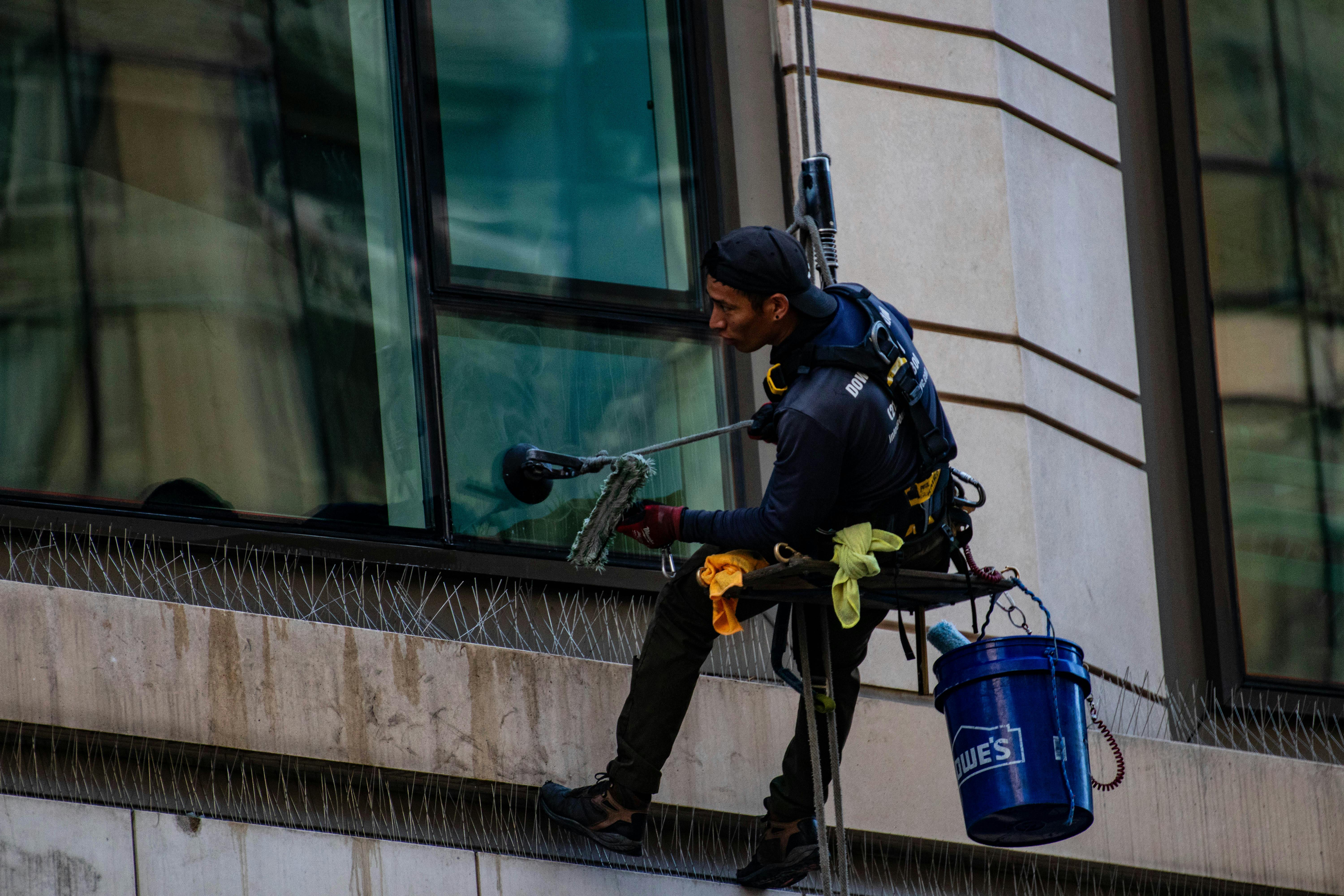
The maintenance of a building’s fa?ade is a critical aspect of urban management, essential for both aesthetic appeal and structural integrity. In recent years, abseiling has emerged as an innovative and efficient method for carrying out remedial works on high-rise structures. This technique, also known as rope access, provides a safe and cost-effective alternative to traditional scaffolding or mechanical lifts, allowing skilled technicians to address maintenance challenges with precision and agility. To understand how abseiling is revolutionizing fa?ade maintenance, it is vital to explore the distinct advantages and applications of this approach.
The Advantages of Abseiling for Fa?ade Maintenance
Abseiling offers numerous benefits over conventional methods of accessing building exteriors. Some of the key advantages include:
- Cost-Effectiveness: Abseiling significantly reduces the need for expensive scaffolding or lifts, minimizing setup costs and project timeframes.
- Flexibility and Accessibility: This technique allows access to hard-to-reach areas, ensuring comprehensive maintenance coverage.
- Safety: Rope access is governed by stringent safety standards, ensuring that all operations are conducted with the utmost care and professionalism.
- Minimal Disruption: Abseiling results in less disruption to building occupants and pedestrians, maintaining the smooth operation of daily activities.
For those interested in further exploring the benefits of this method, there are numerous resources available. Discover expert strategies here.
Applications of Abseiling in Remedial Works
Abseiling is versatile and can be employed in various remedial works to address the diverse needs of building maintenance. Common applications include:
Inspection and Assessment
Regular inspections are essential for maintaining the structural health of a building. Rope access technicians can perform detailed inspections, identifying issues such as:
- Cracks or damage in the fa?ade materials
- Corrosion or deterioration of structural components
- Water infiltration points
- Loose or damaged cladding
These inspections allow for timely interventions, preventing minor issues from escalating into major problems. Learn about our tailored solutions for effective building assessments.
Repair and Restoration
Once issues have been identified, abseiling can be used to carry out necessary repairs and restoration works, such as:
- Replacing or repairing damaged cladding
- Sealing leaks and waterproofing fa?ades
- Restoring or replacing corroded metal components
- Repointing and repairing masonry
These interventions not only enhance the aesthetic appeal of the structure but also extend its lifespan. Explore advanced guides and tips to understand how these repairs are efficiently managed.
Cleaning and Maintenance
Routine cleaning is essential for maintaining the appearance and longevity of a building fa?ade. Abseiling allows for:
- High-pressure washing of surfaces
- Removal of organic growth, such as mold or algae
- Cleaning and polishing of glass surfaces
- Graffiti removal and surface treatments
These activities not only improve the building?s exterior look but also prevent long-term damage. Find out more about this approach to fa?ade maintenance.
Conclusion
The evolution of abseiling techniques in fa?ade maintenance marks a significant shift towards more efficient, cost-effective, and safe building management practices. By employing skilled professionals and state-of-the-art equipment, this approach ensures that high-rise structures remain visually appealing and structurally sound. As urban environments continue to grow and evolve, the demand for such innovative solutions is likely to rise, offering a compelling case for the adoption of abseiling in remedial works.
