Comparing Prices: Affordable vs Premium Cycling Overshoes
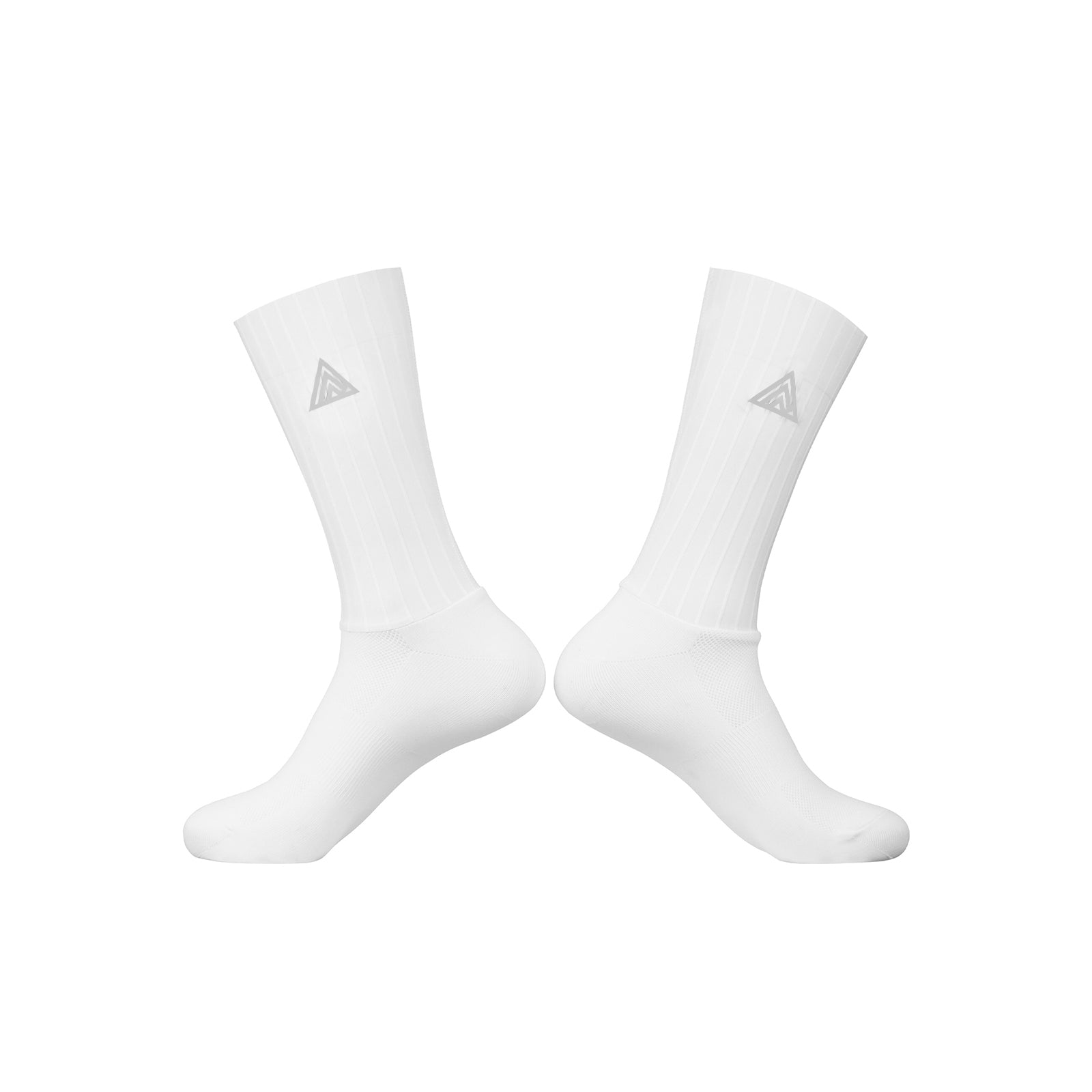
Choosing the right cycling overshoe can feel like navigating a maze of technical jargon, price tags, and performance claims. For riders who spend countless hours on the road, the decision between an affordable option and a premium model is more than a budgetary concern, it directly impacts comfort, efficiency, and long-term durability. This article breaks down the key differences, helping cyclists make an informed choice that aligns with their riding style, climate, and performance goals.
Understanding the Core Functions of Cycling Overshoes
Before diving into price categories, it’s essential to grasp what an overshoe is designed to do:
- Seal the shoe-sole interface to reduce wind drag.
- Protect against rain, mud, and road debris.
- Maintain foot temperature by providing insulation or breathability.
- Offer a secure fit that doesn’t interfere with pedal engagement.
Affordable Overshoes: What You Get for the Money
Budget-friendly overshoes typically range from $30 to $70. They are ideal for casual riders, commuters, or those testing the benefits of an overshoe before investing in higher-end gear.
Key Characteristics
- Materials: Often constructed from basic neoprene or polyester blends. These fabrics provide adequate water resistance but may lack advanced wind-blocking technology.
- Fit & Closure: Simple elastic cuffs or Velcro straps. Adjustability is limited, which can affect the seal around the shoe.
- Durability: Sufficient for moderate mileage; however, seams and coatings may wear faster under harsh conditions.
- Design Features: Minimal reflective elements and fewer ventilation panels.
For riders seeking practical guidance on entry-level options, Discover expert strategies here provides a curated selection of reliable models that balance cost and performance.
Premium Overshoes: Investing in Performance
High-end overshoes typically start around $120 and can exceed $250. These products target competitive cyclists, long-distance enthusiasts, and anyone who demands the utmost in aerodynamic efficiency and weather protection.
Advanced Materials & Construction
- Technical Fabrics: Multi-layer laminates combining Gore-Tex??, wind-proof membranes, and ultra-lightweight ripstop nylon. This combo delivers superior waterproofing while minimizing added weight.
- Seam Technology: Welded or taped seams reduce water ingress and improve aerodynamic smoothness.
- Fit Precision: Adjustable BOA?? dials, silicone grippers, or dual-strap systems create a custom seal that adapts to various shoe shapes.
- Thermal Management: Integrated insulation for cold weather and strategically placed mesh zones for heat dissipation during hot rides.
To explore detailed specifications and see how premium designs translate into real-world gains, Learn about our tailored solutions offers in-depth product breakdowns.
Performance Impact: Aerodynamics vs. Comfort
While the aerodynamic advantage of a premium overshoe can be measurable, often shaving 5-10 watts of drag, the comfort factor can be equally decisive.
Aerodynamic Benefits
- Reduced turbulence around the shoe-sole junction.
- Smoother surface finishes that minimize drag coefficients.
- Integrated heel pockets that streamline the foot-pedal interface.
Comfort & Fit Considerations
- Premium models usually incorporate softer inner linings that reduce pressure points.
- Better moisture-wicking liners keep feet dry on long climbs.
- Adjustable closures prevent slippage, crucial for maintaining power output.
For cyclists interested in the science behind these gains, Explore advanced guides and tips delivers research-backed insights and testing results.
Durability & Longevity: Cost-Per-Use Analysis
When evaluating price, consider the lifespan of the product. An affordable overshoe may need replacement after 500-800 km of wet riding, whereas a premium version can endure 2,000 km or more under similar conditions. Calculating cost per kilometer can reveal that the higher upfront expense often pays off over time.
- Affordable: Lower initial cost, higher replacement frequency.
- Premium: Higher upfront cost, extended service life, fewer performance losses as the material ages.
For a practical comparison chart and real-world user feedback, Find out more about this approach offers side-by-side evaluations.
Choosing the Right Overshoe for Your Needs
Ultimately, the decision hinges on three core questions:
- How often do you ride? Frequent, long-distance riders benefit most from premium durability and aerodynamic gains.
- What weather conditions dominate your routes? Heavy rain or cold climates justify the added protection of a high-end model.
- What is your performance priority? If shaving a few watts matters for race results, investing in a premium overshoe is logical.
By aligning these factors with budget constraints, cyclists can select an overshoe that delivers the best balance of performance, comfort, and value.
Conclusion
Both affordable and premium cycling overshoes serve distinct rider profiles. Budget options provide essential protection and a modest aerodynamic edge, making them suitable for casual cyclists and those testing the concept. Premium overshoes, with their sophisticated materials, precise fit systems, and superior durability, cater to performance-driven athletes seeking every possible advantage. By assessing riding frequency, climate, and performance goals, cyclists can make a strategic purchase that enhances their experience on the road without unnecessary overspending.
