Maximize Gains: Best Supplements for Muscle Growth
Building lean muscle mass is a science as much as it is an art. While progressive resistance training lays the foundation, the right nutritional support can accelerate recovery, enhance protein synthesis, and ultimately maximize gains. Supplements, when chosen wisely, act as targeted tools that fill nutritional gaps, boost performance, and help athletes stay consistent with their training regimen. This guide breaks down the most effective supplements for muscle growth, explains how they work, and offers practical recommendations for integrating them into a balanced diet.
Understanding the Role of Supplements in Muscle Hypertrophy
Muscle hypertrophy occurs when muscle fibers experience micro-tears during intense workouts, followed by a repair process that makes them larger and stronger. Nutrition fuels this process, providing the amino acids, energy, and hormonal environment needed for repair. Supplements are not a replacement for whole foods, but they can:
- Provide concentrated doses of key nutrients that are difficult to obtain in sufficient quantities from diet alone.
- Enhance the anabolic signaling pathways that drive protein synthesis.
- Reduce recovery time, allowing for higher training frequency.
Core Supplements for Muscle Growth
1. Whey Protein Isolate
Whey protein delivers a rapid influx of essential amino acids, particularly leucine, which triggers the mTOR pathway, a critical driver of muscle protein synthesis. Isolate forms contain >90% protein and minimal fats or lactose, making them ideal post-workout.
- Recommended dose: 20-30″?g within 30″?minutes after training.
- Best when mixed with water or milk for quick absorption.
- Look for products that are third-party tested for purity.
2. Creatine Monohydrate
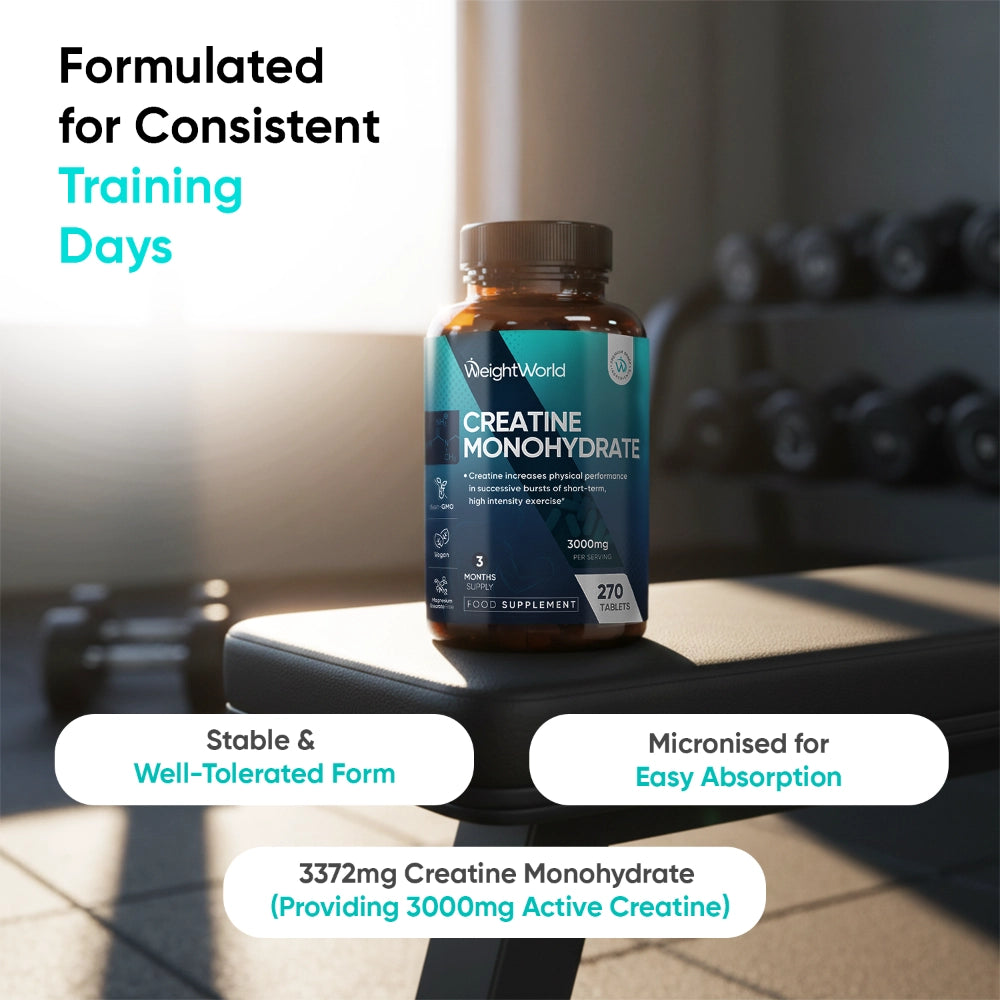
Creatine is the most researched supplement for strength and size gains. It replenishes ATP stores, allowing athletes to lift heavier and perform more repetitions.
- Loading phase (optional): 20″?g/day split into 4 doses for 5-7 days.
- Maintenance dose: 3-5″?g/day.
- Effective for both high-intensity training and muscle volumization.
3. Branched-Chain Amino Acids (BCAAs)
BCAAs, leucine, isoleucine, and valine, support muscle recovery and may reduce perceived fatigue during prolonged sessions.
- Take 5-10″?g before or during workouts.
- Leucine content should be at least 2″?g per serving for maximal anabolic effect.
4. Beta-Alanine
Beta-alanine buffers acid buildup in muscles, delaying the onset of muscular fatigue and extending training volume.
- Typical dose: 2-5″?g per day, split into smaller portions to avoid tingling sensations.
- Benefits become noticeable after 2-4 weeks of consistent use.
Supplement Stacks That Amplify Results
Combining complementary supplements can produce synergistic effects. Below are two proven stacks that align with the principles of progressive overload and recovery.
Stack A: Strength & Power Focus
- Creatine Monohydrate – 5″?g daily
- Whey Protein Isolate – 30″?g post-workout
- Beta-Alanine – 3″?g split throughout the day
- Optional: Caffeine (200″?mg) pre-workout for enhanced focus.
Stack B: Lean Mass & Endurance Focus
- Whey Protein Isolate – 25″?g post-training
- BCAAs – 10″?g intra-workout
- Beta-Alanine – 4″?g daily
- Electrolyte-rich drink for hydration.
Choosing the best supplements for muscle growth – What to Look For
Quality and transparency are paramount when selecting any supplement. Consider the following criteria:
- Third-party testing: Look for certifications from NSF, Informed-Sport, or Labdoor.
- Ingredient purity: Minimal fillers, artificial sweeteners, or proprietary blends.
- Bioavailability: Forms like whey isolate, micronized creatine, and free-form amino acids absorb more efficiently.
- Dosage clarity: Labels should state exact amounts per serving and recommended timing.
Integrating Supplements into a Daily Nutrition Plan
Successful supplementation hinges on timing, consistency, and alignment with overall caloric intake.
- Pre-workout: Beta-alanine and a small amount of BCAAs can prime muscles.
- During workout: Hydration with electrolytes; BCAAs for prolonged sessions.
- Post-workout: Whey protein (20-30″?g) plus creatine to kick-start recovery.
- Between meals: A protein shake can help meet daily protein goals (1.6-2.2″?g/kg body weight).
Potential Side Effects and Safety Considerations
While most muscle-building supplements are safe for healthy adults, awareness of possible reactions is essential.
- Creatine: Generally well-tolerated; stay hydrated to avoid gastrointestinal discomfort.
- Beta-alanine: May cause harmless tingling (paresthesia) at high single doses.
- BCAAs: Excessive intake can affect blood sugar regulation; keep within recommended limits.
- Whey protein: Individuals with lactose intolerance should opt for isolate or plant-based alternatives.
Conclusion
Optimizing muscle growth requires a strategic blend of resistance training, adequate nutrition, and targeted supplementation. By prioritizing high-quality whey protein, creatine monohydrate, BCAAs, and beta-alanine, athletes can enhance protein synthesis, increase training capacity, and accelerate recovery. Selecting products that meet strict purity standards and integrating them at optimal times ensures that supplements act as effective allies rather than shortcuts. When paired with a disciplined workout program and balanced diet, these supplements can help unlock the full potential of muscular development.
