Simplify Watering Tasks: Remote Control Irrigation Controllers Explained
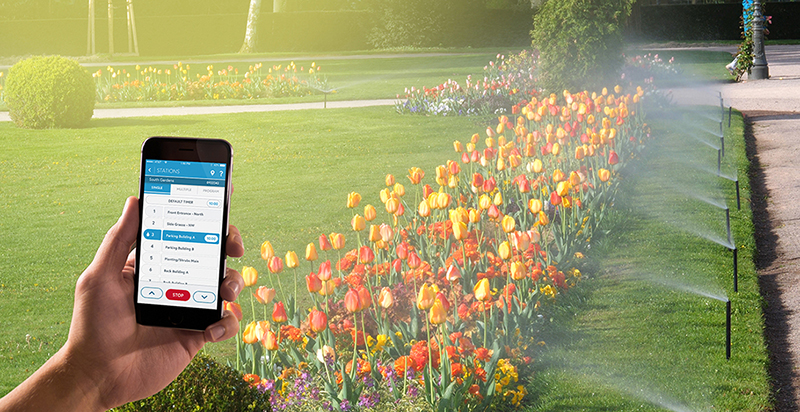
Efficient water management is increasingly important in today’s environmentally conscious world, where conservation and sustainability are at the forefront. Remote control irrigation controllers have emerged as a transformative solution, offering unprecedented convenience and precision in watering tasks. These advanced devices allow users to manage their irrigation systems remotely, ensuring optimal water use while maintaining lush landscapes and healthy gardens. This article delves into the functionalities and advantages of remote control irrigation controllers, providing insights into their operation and benefits for both residential and commercial applications.
Understanding Remote Control Irrigation Controllers
Remote control irrigation controllers are devices that allow users to control and monitor their irrigation systems from a distance, often using a smartphone or computer. These controllers are equipped with various features that enhance the efficiency and effectiveness of watering tasks.
Key Features
- Remote Access: Users can adjust watering schedules, start or stop irrigation, and monitor system performance from anywhere with an internet connection.
- Weather-Based Adjustments: Many controllers incorporate local weather data to automatically adjust watering schedules, preventing overwatering and conserving water.
- Customizable Schedules: Users can create tailored watering schedules that meet the specific needs of different plant types and soil conditions.
- Zone Control: These devices allow for the management of multiple zones, each with its own schedule and water requirements.
- Alerts and Notifications: Immediate alerts for system malfunctions or abnormal water use help in quick troubleshooting and maintenance.
Advantages of Using Remote Control Irrigation Controllers
Utilizing a remote control irrigation controller offers numerous benefits that can significantly enhance the management of irrigation systems.
Water Conservation
By optimizing watering schedules based on weather conditions and soil moisture levels, these controllers help in significantly reducing water waste. This efficiency not only conserves water but also lowers utility bills.
Convenience and Flexibility
The ability to control irrigation systems remotely offers unparalleled convenience. Users can make adjustments or respond to changes in weather or plant needs without being physically present, saving time and effort.
Improved Plant Health
Consistent and appropriate watering significantly contributes to healthier plants. By delivering the right amount of water precisely when needed, remote control irrigation controllers promote robust plant growth and reduce the risk of disease.
Cost Savings
In addition to water savings, these controllers can help avoid potential fines for overwatering and reduce maintenance costs by alerting users to system issues before they escalate.
Implementation and Integration
Integrating a remote control irrigation controller into an existing system is typically straightforward. These devices are designed to work with a variety of irrigation setups and can be customized to fit specific landscape needs.
Installation Tips
- Compatibility Check: Ensure that the chosen controller is compatible with the existing irrigation system components.
- Professional Installation: For complex systems, consider hiring a professional to ensure proper installation and configuration.
- Wi-Fi Connectivity: Reliable internet access is essential for remote functionality, so ensure strong Wi-Fi coverage in the area where the controller is installed.
- Software Updates: Regularly update the controller’s software to benefit from new features and security improvements.
Conclusion
Remote control irrigation controllers represent a significant advancement in the realm of landscape management, combining technology with practicality to deliver smarter and more sustainable watering solutions. By offering precise control over irrigation activities, these controllers not only enhance water conservation efforts but also contribute to healthier and more vibrant landscapes. As technology continues to evolve, the integration of such devices into residential and commercial settings will likely become even more seamless and beneficial, underscoring their role in modern water management strategies.
