The Benefits of Using a Fetal Doppler at Home During Pregnancy
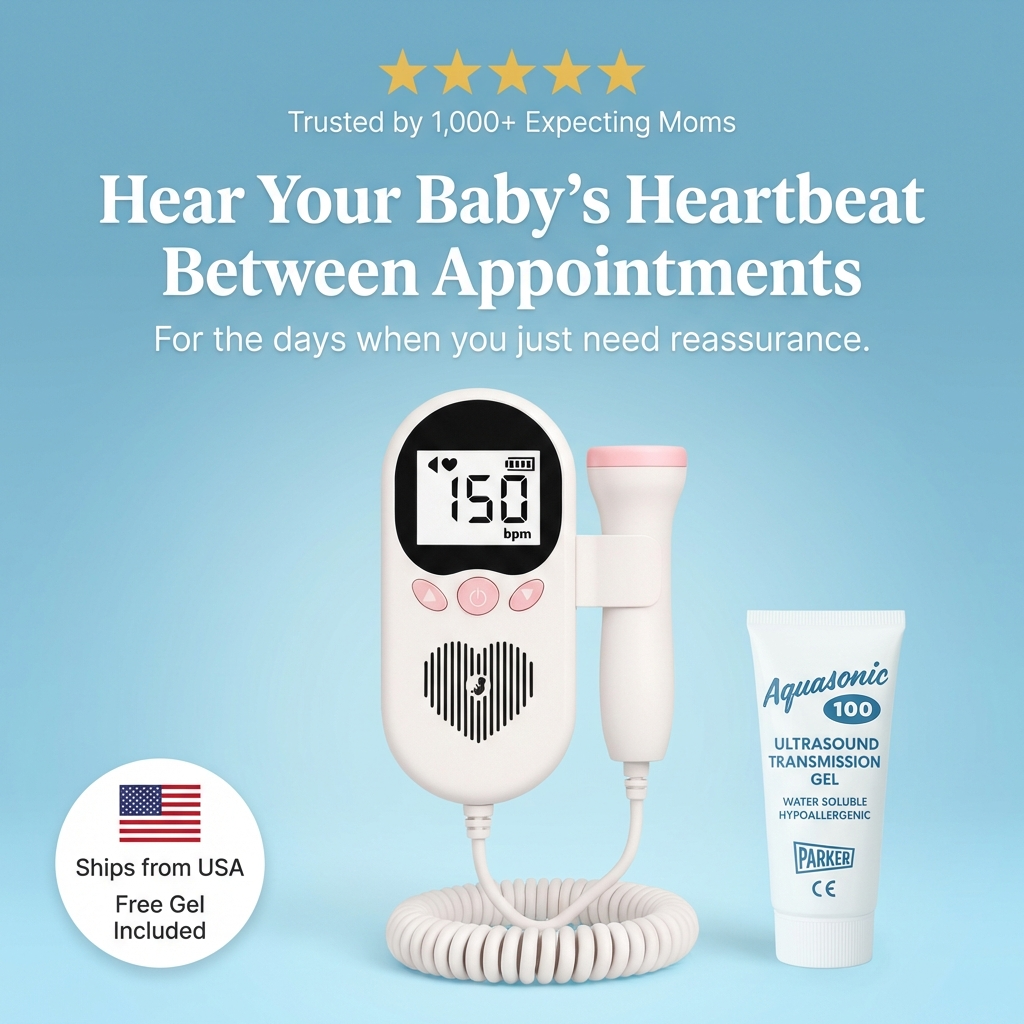
Pregnancy is a transformative journey, filled with excitement, anticipation, and a touch of anxiety. As expectant parents navigate through this profound experience, having reliable tools to monitor the baby’s development can provide immense reassurance. One such tool that has gained popularity is the fetal doppler. This device allows parents to listen to their baby’s heartbeat from the comfort of their home. While it is not a substitute for professional medical advice, many find it to be a comforting addition to their pregnancy journey. This article explores the benefits of using a fetal doppler at home during pregnancy.
Understanding the Fetal Doppler
The fetal doppler is a handheld ultrasound device that uses sound waves to detect the fetal heartbeat. It is similar to the equipment used in medical offices but is designed for home use. This non-invasive device offers several advantages for expectant parents who wish to maintain close contact with their baby’s growth.
Advantages of Using a Fetal Doppler
Using a fetal doppler at home can offer several benefits, including:
- Reassurance: The ability to hear the baby’s heartbeat at home provides peace of mind, especially during the early stages of pregnancy when movements are not yet felt.
- Bonding: Listening to the heartbeat can enhance the emotional connection between parents and their unborn child, making the pregnancy experience more tangible.
- Convenience: The doppler allows parents to check on their baby without the need for frequent visits to the doctor, offering flexibility and ease.
Considerations for Using a Fetal Doppler
While the advantages are notable, there are also important considerations when using a fetal doppler for pregnancy:
- Not a Diagnostic Tool: It is crucial to understand that a fetal doppler is not a substitute for professional medical assessments. Regular check-ups with a healthcare provider remain essential.
- Proper Use: Ensure that the device is used correctly to avoid unnecessary anxiety. Reading the manual thoroughly and following instructions can help achieve accurate results.
- Time of Use: The doppler is typically more effective after the first trimester, around 12 weeks, when the fetal heartbeat is more distinct.
How to Use a Fetal Doppler Safely
To maximize the benefits of a fetal doppler while ensuring safety, consider the following tips:
- Limit Usage: Use the device sparingly, as overuse may lead to anxiety and misinterpretation of results.
- Seek Professional Guidance: If there are any concerns or questions regarding the readings, consult with a healthcare provider for clarification.
- Education: Familiarize yourself with the normal range of fetal heart rates (typically between 110-160 beats per minute) to better understand the readings.
Conclusion
The fetal doppler is a valuable tool that can enhance the pregnancy experience by allowing parents to listen to their baby’s heartbeat from home. By providing reassurance and facilitating bonding, it becomes an integral part of many expectant parents’ journey. However, it is vital to remember that while a fetal doppler offers many benefits, it should be used responsibly and in conjunction with regular prenatal care. As with any tool, understanding its purpose and limitations ensures that parents can make informed decisions about their pregnancy. For those interested, exploring the option of a fetal doppler at home can be a worthwhile consideration.
