Why You Need Post Remediation Verification
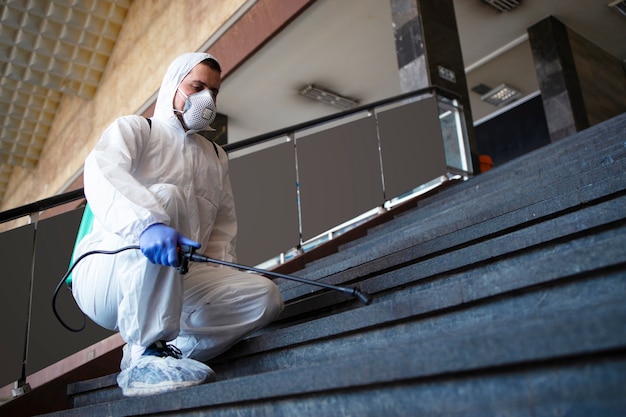
After a successful remediation process, it might seem that the job is done, but ensuring the effectiveness of remediation is crucial for the safety and well-being of individuals occupying the space. Post remediation verification (PRV) is an essential step that guarantees the area is free from contaminants, such as mold or asbestos, and confirms that the environment is restored to a safe and healthy condition. Without this verification, occupants might be exposed to residual hazards, rendering the initial remediation efforts ineffective.
Understanding Post Remediation Verification
Post remediation verification involves thorough inspections and tests conducted after remediation activities. The purpose is to confirm that the remediation process successfully addressed the contamination issue. This verification process typically includes:
- Visual inspections to ensure no mold or hazardous materials are present.
- Air quality tests to confirm that airborne contaminants are within acceptable levels.
- Surface testing to detect any remaining spores or residues.
- Documentation of the entire process for future reference and assurance.
For those interested in a deeper dive into effective PRV strategies, discover expert strategies here.
Why Is PRV Essential?
Ensuring Safety and Health
The primary goal of PRV is to ensure the safety and health of occupants. Leftover contaminants can pose serious health risks, including respiratory issues and allergic reactions. By confirming the successful removal of these hazards, PRV protects individuals from potential harm.
Providing Peace of Mind
PRV gives property owners peace of mind, knowing that the environment is safe and compliant with health standards. It eliminates doubts about the effectiveness of the remediation process and reassures occupants that the space is safe for use.
To explore how PRV can be tailored to specific needs, learn about our tailored solutions.
Preventing Future Problems
By ensuring that all contaminants are effectively removed, PRV reduces the risk of recurring issues. This step is crucial for avoiding future remediation costs and maintaining the value of the property.
For additional guidance on preventing future mold and contamination issues, explore advanced guides and tips.
Choosing a Qualified PRV Service
Selecting a qualified PRV service is vital for accurate and reliable results. A reputable service provider will use state-of-the-art equipment and follow industry best practices to ensure thorough verification. It’s important to research and choose a service with a proven track record of successful PRV projects.
Potential clients can check out customer reviews here to gain insights into the experiences of others who have undergone the PRV process.
Conclusion
Post remediation verification is a critical step in ensuring the effectiveness of remediation efforts and safeguarding the health of building occupants. It provides assurance that the environment is free from hazards and ready for safe use. By understanding the importance of PRV and choosing a qualified service provider, property owners can effectively protect their investment and ensure a healthy living or working environment. To find out more about this approach, consider seeking professional advice and exploring available resources.
Whether for peace of mind, compliance, or health safety, PRV is an indispensable part of any remediation project, ensuring that the space is restored to a secure and livable condition.
